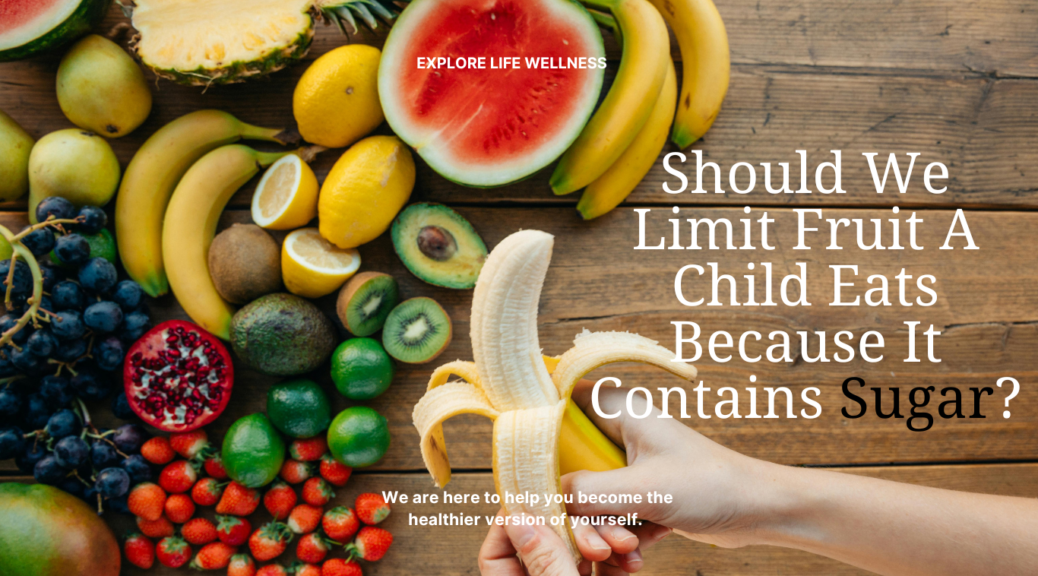
Should We Limit Fruits A Child Eats Because It Contains Sugar?
Ever paused before handing your child a juicy apple or a handful of berries and thought, “Is this too much sugar?” You’re not alone. With the rise of sugar-free movements and mixed messages about what children should eat, it’s no wonder many parents feel conflicted. But when it comes to whole fruit, the story is far more nuanced and far more encouraging for your child’s health, nutrition, and overall wellness. Let’s unpack what the research really says drawing on trusted sources such as World Health Organization (WHO), nutrition science reviews, and high-quality papers and figure out how to approach fruit in a way that supports your child’s well-being and also find the answer to question should we limit fruits a child eats because it contains sugar.
A Bit of History: How We Got Here
The sugar “fear factor”
Over the past few decades, sugar (especially added sugar) has become a major target in public health campaigns. Studies link excessive free sugars (defined by WHO as sugars added to food plus those in syrups, honey, fruit juices and concentrates) with issues such as overweight, dental decay and non-communicable diseases[1].
The rise of “sugar-free” culture
In reaction, many diet- and wellness-focused messages began vilifying all sugar including sugar that naturally occurs in foods like fruit. This led to parents questioning whether anything “sweet” is safe. But as the science matured, a clearer distinction began to emerge between the sugar in whole fruit (intrinsic sugar) and the sugar added or freed through processing.
A shift back to food-first nutrition
Nutrition science has increasingly emphasized whole foods, minimally processed dietary patterns, and the broader context of eating (not simply focusing on one nutrient like “sugar”). Facts like the WHO recommendation to eat at least 400 g of fruit and vegetables per day for reducing risk of non-communicable diseases underline the value of fruit and vegetables for children’s growth and wellness.
Scientific Claims: Should We Limit Fruit A Child Eats Because It Contains Sugar
Naturally occurring vs. added/free sugars
- Intrinsic sugar: The sugar naturally bound within whole plant cell structures e.g., the sugar inside an apple, along with fiber, vitamins, minerals and phytonutrients.
- Free sugars: According to WHO[2], these include monosaccharides and disaccharides added to foods or beverages by manufacturer, cook or consumer, plus sugars naturally present in honey, syrups, fruit juices and fruit juice concentrates.
Fruit benefits for children’s nutrition
Whole fruits are packed with vitamins (A, C, E), minerals (magnesium, zinc, folate), fiber and phytonutrients that support growth, immune function, gut health and long-term wellness. They provide energy, natural sweetness and a host of beneficial compounds.
Does the sugar in fruit risk diabetes or weight gain?
- There is no evidence that naturally occurring sugar in whole fruit directly causes type 2 diabetes.
- Over‐weight and obesity in children are typically driven by excess calories, poor overall diet quality, low physical activity, and high intake of free sugars/ultra-processed foods.
- Studies suggest children who eat more whole fruit tend to have less abdominal fat, better metabolic markers, and reduced risk of type 2 diabetes later in life. For example, a large cohort study found children who ate ~1.5 servings of fruit per day had ~36% lower risk of developing type 2 diabetes compared to those eating less.
Juice vs whole fruit: A critical difference
- Research indicates that fruit juices (even 100% juice) often deliver similar amounts of free sugar to sugary drinks, lack fiber, and may contribute to tooth decay and weight gain.
- Studies show that replacing juice with whole fruit can reduce calories, increase fiber intake, and support better health outcomes in children.
Guidelines on sugar intake for children
- [3]WHO recommends reducing intake of free sugars to less than 10% of total energy intake in both adults and children, and ideally below 5%.
- Organizations like the American Academy of Pediatrics[4] recommend limiting added sugar intake in children aged 2–18 to ~25 g/day (~6 teaspoons) and avoiding added sugar for children under 2.
Medical Findings: Linking Fruit Intake to Child Health Outcomes
Growth, development and nutrition
Children who consume adequate fruits (and vegetables) meet micronutrient needs more effectively than peers who substitute sugary snacks. According to the CDC, many young children don’t eat a daily fruit and regularly consume sugar-sweetened beverages instead highlighting a missed opportunity for fruit and vegetable intake.
Weight, fat distribution and metabolic health
- Higher whole-fruit intake in children correlates with lower abdominal fat, less insulin resistance and better lipid profiles.
- Free sugar intake (especially from sugary drinks) is associated with higher obesity risk and fatty-liver disease in children.
- Importantly, research often separates the detrimental effects of free sugars from the neutral or positive effects of intrinsic sugars in fruit.
Dental health
Free-sugar consumption is clearly linked to dental caries. The WHO notes that increasing or decreasing free sugars is associated with parallel changes in body weight and dental health in children. Whole fruits, with their fibrous structure, impose less of a cariogenic risk compared to sugary drinks.
Taste preferences and dietary patterns
Studies of parental restriction of sugary foods show that overly strict restriction may not reduce sweet preference in children but may reduce intake of fruit when parents also restrict healthy sweet foods. One study of 4–7 year-olds found that parental restriction of sugary products was negatively associated with free sugar intake and positively associated with fruit intake.
Practical Guidance: How Much Fruit Should My Child Eat?
Fruit as a positive staple in the diet
- Whole fruits, not fruit juices, should be the primary way children get fruit.
- Encourage a variety of fruits (bananas, berries, apples, mangoes, etc.) so children benefit from various nutrients and phytonutrients.
- Use fruit as snacks, side dishes, desserts without guilt.
Tips for portioning and practical habits
- Offer at least 2–3 servings of fruit daily for children, depending on age, appetite and overall meal structure.
- Emphasize whole fruit, with skin where appropriate (e.g., apple, pear), to deliver fiber + micronutrients.
- Encourage fruit first before high-sugar snacks.
- Pair fruit with protein/fat (e.g., apple + nut butter) to slow absorption and improve satiety.
Addressing concerns about “too much sugar” from fruit
- Remember: The sugar in whole fruit is intrinsic sugar embedded within cell walls and accompanied by fiber, vitamins and other nutrients unlike free or added sugar which is more rapidly absorbed.
- Providing plenty of whole fruit does not usually cause weight gain or diabetes if diet and activity are healthy.
- Keep overall sugar from added/free sources low (following WHO <10% energy). This means limiting sugary snacks, sweetened drinks, processed foods not fruits.
- Monitor overall diet: ensure fruits complement vegetables, whole grains, lean proteins not replace them.
Avoid pitfalls
- Processed fruit pouches/purees: Although convenient, many are high in free sugars and lack fiber. A recent study found children’s fruit pouches contained ~11.7 g sugar per 100 g, which rivals sugary snack levels.
- Over-reliance on fruit juice or sweetened “fruit drinks” can easily push children over free sugar limits.
- Using fruit as an excuse to skip vegetables or other nutritious foods. Diversity is key.
Encouraging healthy fruit uptake
- Let children help select fruit at grocery or markets variety excites them.
- Offer fruit as visible snack: a bowl of colorful fruit on the table invites eating.
- Make fruit fun: fruit skewers, frozen fruit pops, fruit + yoghurt dips.
- Model fruit‐rich eating yourself children often mimic adult behavior.
- Normalize fruit as part of meals: breakfast toppings, side dishes with lunch/dinner, fruit dessert.
Takeaway: Should We Limit Fruits A Child Eats Because It Contains Sugar
Short answer: No not for whole fruit. Rather than limiting, aim to encourage, variate, and integrate whole fruits as an essential part of your child’s nutrition.
Here’s a summary:
- Whole fruits are beneficial they support micronutrient intake, fiber, and overall wellness.
- Added or free sugars, especially from processed food, are the real concern not the sugar naturally found in whole fruit.
- Following established guidelines for free sugar intake and portioning juice helps keep the balance right.
- Provide fruits in their whole form, in multiple servings per day, and pair them with other wholesome foods to build a resilient, nutrient-rich diet.
By offering fruit freely and focusing your caution on sugary processed foods and drinks, you nurture your child’s health, nutrition, and long-term wellness without feeding anxiety about natural sweetness.
What’s your child’s favorite fruit snack? Share below I’d love to hear fun ideas from parents!
References and Further Reading
- [1] WHO calls on countries to reduce sugars intake among adults and children
- [2]Recommendations and remarks – Guideline: Sugars Intake for Adults and Children – NCBI Bookshelf
- [3]Reducing free sugars intake in children to reduce the risk of noncommunicable diseases
- [4]Added sugar in kids’ diets: How much is too much? | AAP News | American Academy of Pediatrics
Recommended Articles: Why Refined Sugar is Bad ?