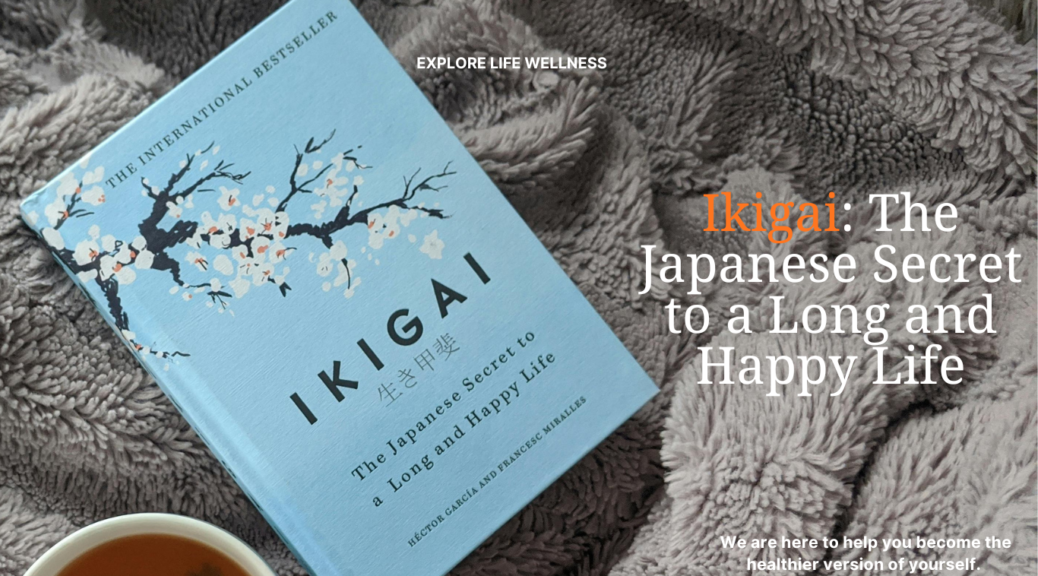
Ikigai: The Japanese Secret to a Long and Happy Life
Ikigai: The Japanese Secret
Imagine a life where your health, your purpose, and your daily habits are so aligned that each morning feels meaningful, your heart feels light, and your body feels strong. That’s the essence of Ikigai: a Japanese concept that means “a reason for being” or “a reason to live” and the heart of the book Ikigai: The Japanese Secret to a Long and Happy Life by Héctor García and Francesc Miralles.
Have you ever wondered what gets people out of bed with joy, energy, and purpose especially well into their 80s, 90s, and even past 100?
This book isn’t just philosophy it’s a practical guide rooted in interviews with centenarians, cultural insights from Okinawa (one of the world’s Blue Zones where people live exceptionally long lives), and lifestyle lessons that science now supports as contributors to longevity, health, and well-being.
Let’s dive into what Ikigai really teaches, why it’s so powerful for your health, and how you can use its principles to live a longer, happier life.
What Is Ikigai? : Capturing Life’s Meaning
Defining Ikigai
At its core, ikigai (生き甲斐) is the Japanese term for “the meaning of life,” “a reason to live,” or “what makes life worth living.” It’s made from two Japanese words: iki (生き), meaning “life,” and gai (甲斐), meaning “worth” or “value.”
In simple terms:
Your Ikigai is the intersection of what you love, what you’re good at, what the world needs, and what you can get rewarded for a blend of passion, purpose, mission, and profession.
Some people find it in their careers, others in hobbies, relationships, creative pursuits, or lifelong learning. The key is that it gives you a direction, a reason to wake up with intention and joy every day.
Ikigai and Longevity : Why Purpose Matters for Health
Research from public health and longevity studies increasingly shows that a sense of purpose isn’t just good for the soul it matters for physical health too.
Global Longevity Insights
Centers like the World Health Organization (WHO) emphasize that lifestyle factors diet, physical activity, social connection, stress management, and life purpose play a major role in how long and how well people live. WHO’s guidelines on healthy aging highlight that social engagement, purposeful activity, and mental well-being directly influence physical health outcomes.
Rising Science on Purpose & Health
Scientists now understand that having a purpose:
- Supports stress reduction, lowering chronic inflammation.
- Enhances mental resilience and emotional well-being.
- Encourages healthy lifestyle choices (better diet, regular activity).
- Associates with lower risk of chronic diseases and mortality.
Studies of Japanese and international elders consistently show that those who report a strong reason for living tend to live longer, healthier lives. This aligns with research that a sense of meaning contributes to decreased risk of heart disease, better immune function, and improved cognitive health.
Okinawa: The Land Where Ikigai Thrives
Meet a Blue Zone
Okinawa, Japan is one of the world’s famed Blue Zones, identified by longevity researchers like Dan Buettner. These are regions where people routinely live past 90 and 100 years with good quality of life. Okinawans attribute part of their health secret to a strong sense of ikigai, tight social bonds (called moai), and healthy lifestyle practices.
The Okinawan Lifestyle
In Okinawa, you’ll find several habits that reflect ikigai and promote well-being:
- Daily physical movement : Light, natural movement like gardening, walking, or traditional radio~taiso exercises keeps the body strong.
- Mindful eating : Practicing hara hachi bu, eating until 80% full, supports digestion and weight control.
- Deep social bonds (moai) : Lifelong friendships and support networks provide emotional well-being and stress relief.
- Balanced diets : A plant-rich, minimally processed diet is common, supporting heart and metabolic health.
These factors work together to support physical health, longevity, and a love for life exactly the themes Ikigai explores.
Core Lessons from Ikigai: The Japanese Secret to a Long and Happy Life
Here are the central ideas and practical teachings from the book, each tied into how they support health, well-being, and longevity:
1. Stay Active, Don’t Retire from Life
Ikigai teaches that retirees especially in Western cultures often lose purpose, leading to boredom, stress, or physical inactivity. In contrast, Okinawans continue staying engaged in meaningful activities, whether it’s work, gardening, crafts, or community roles, well into old age.
Health connection:
Staying active daily supports cardiovascular health, muscle strength, metabolic function, and cognitive resilience key pillars of longevity. (Physical activity and health research)
2. Flow : Find What Fully Absorbs You
The psychological concept of “flow” (being fully immersed in an activity) appears throughout Ikigai. When your daily actions tap into your talents and passions, you reduce stress and increase satisfaction.
Well-being tip:
Activities that put you in flow creative pursuits, meaningful work, hobbies boost mood, reduce anxiety, and support a resilient mindset. (Positive psychology research)
3. Take It Slow and Live Mindfully
Okinawan elders and many Japanese traditions emphasize a slower pace: eating slowly, walking calmly, moving mindfully. This contrasts with cultural pressures for speed and constant productivity in many Western societies.
Health insight:
Mindfulness and reduced stress support better sleep, lower cortisol (the stress hormone), and improved digestion. Mindful practices are increasingly recommended by health professionals to support emotional balance and stress reduction.
4. Eat Moderately
One powerful lifestyle lesson in the book is the Okinawan rule of hara hachi bu: eat until you’re about 80% full. This practice is linked with healthier body weight, better nutrient balance, and potentially longer life.
Nutrition connection:
Eating in moderation, choosing whole foods, and avoiding overeating supports healthy metabolism, reduces risk of obesity, and lowers risk of non-communicable diseases (WHO dietary guidance) yielding better long-term health outcomes.
5. Build Strong Social Connections (Moai)
The book highlights moai, lifelong support networks that provide emotional, social, and practical support. These deep bonds foster belonging, reduce loneliness, and strengthen community.
Research connection:
Studies link strong social networks with better immune function, reduced stress, and lower risk of early mortality. Relationships are a cornerstone of emotional and physiological well-being (social health research).
6. Embrace Resilience and Purpose in the Small Things
Ikigai emphasizes appreciating simple pleasures tea time, gardening, conversation, crafts. This attitude cultivates gratitude, emotional ease, and a gentle acceptance of life’s changes.
Health link:
Gratitude practices and resilience training are shown in clinical studies to support mental wellness, reduce depression symptoms, and enhance overall quality of life.
The Four Circles of Ikigai
Many readers encounter the Venn diagram associated with ikigai:
- What you love
- What you’re good at
- What the world needs
- What you can be paid for
When these overlap, people find profound purpose. While the diagram isn’t traditional Japanese, it’s a helpful modern tool for reflection and direction.
Practical Tools the Book Offers
Ikigai isn’t just theory it includes actionable guidance:
- Journaling prompts to explore passions and strengths.
- Reflection exercises to clarify values and long-term goals.
- Daily habits for mindful living and purposeful action.
This makes the book both introspective and activity oriented, helping readers take steps toward a life aligned with their innermost values.
Ikigai in the Context of Health and Science
Psychological Health & Life Satisfaction
Research shows that purpose in life is correlated with:
- Better emotional regulation
- Lower stress levels
- Reduced risk of depression
- Greater psychological resilience
These outcomes tie directly into overall well-being and quality of life.
Physical Health & Longevity
Lifestyle components emphasized in Ikigai (movement, moderate eating, social bonds, stress management) are recognized by health authorities such as WHO as influencing:
- Heart health
- Weight control
- Metabolic function
- Immune resilience
- Disease prevention
Together, these factors contribute to a lower burden of chronic diseases and longer, healthier lives.
Common Misconceptions and Clarifications
Is Ikigai just a happiness gimmick?
No, ikigai is a culturally rooted concept linked with daily habits, social structures, and lifestyle disciplines. Its benefits align with measurable health outcomes supported by public health research.
Is ikigai a single purpose or many?
Not one fixed purpose; many people have several meaningful activities that together sustain joy, motivation, and resilience. Ikigai evolves as life evolves.
Daily Ikigai Practices for Better Health and Happiness
Here are practical ways to bring ikigai into your daily life:
- Morning intention: Identify one meaningful thing you’ll do today.
- Mindful meals: Eat slowly and with gratitude.
- Movement breaks: Add low-impact movement throughout your day.
- Social connection: Reach out to friends or community weekly.
- Purpose journaling: Track activities that make you feel energized.
These small, consistent actions support holistic well-being mental, emotional, and physical just as Okinawan elders do.
Conclusion – Ikigai :The Japanese Secret to a Long and Happy Life
Ikigai: The Japanese Secret to a Long and Happy Life invites us to reframe health not as a checklist of symptoms to fix, but as a way of living with purpose, connection, and intention. Its wisdom goes beyond longevity it’s about thriving day by day, heart, mind, and body aligned.
If you’re passionate about improving health, enhancing well-being, and finding your own sense of purpose in life, ikigai offers both inspiration and practical tools to guide you forward.
What’s your ikigai? Start exploring today it might be closer than you think.
References and Further Reading
Read More about : Autophagy: How Fasting Promotes Longevity